THIRVE

For my Mother
"Others grow tender at the flight of migrating birds,
Yet only my mother keeps her vigil for my return.
Should I call “Mother!” into the wide, wandering world,
Hers would be the only heart that knows my voice."

At the edge of the wide steppe, where the sky leans close to the earth,

A young woman knelt in the quiet dusk.

The wind moved gently through the dry grass.
No one spoke.

Even the mountains seemed to listen.

She opened her palm.

A single seed rested there — small, almost weightless.

Without prayer, without witness,she pressed it into the soil.

The earth received it.

The sky said nothing.And beneath the darkening
ground,something ancient began.


Week 3

The First Sprout
Beneath the quiet soil, the seed emerged.          
A thick ever-green stem rose toward the light.                            


Week 4

The Turning

The young stem did not just want to grow straight,
It bent and curved as it searched for its right place

Heading


Week 6

The Forming

The stem becomes more thickened and gathered strength.
Its shape began to resemble what it would become.


The woman believed she was tending a plant, watching it rise slowly from the soil. First it grew as a simple stem, then it curved and gathered into a form that seemed almost familiar.
But what had been growing was never a plant.
Long before a child is born, the heart begins in much the same way — as a simple tube that bends and folds upon itself, quietly shaping the structure that will sustain life.
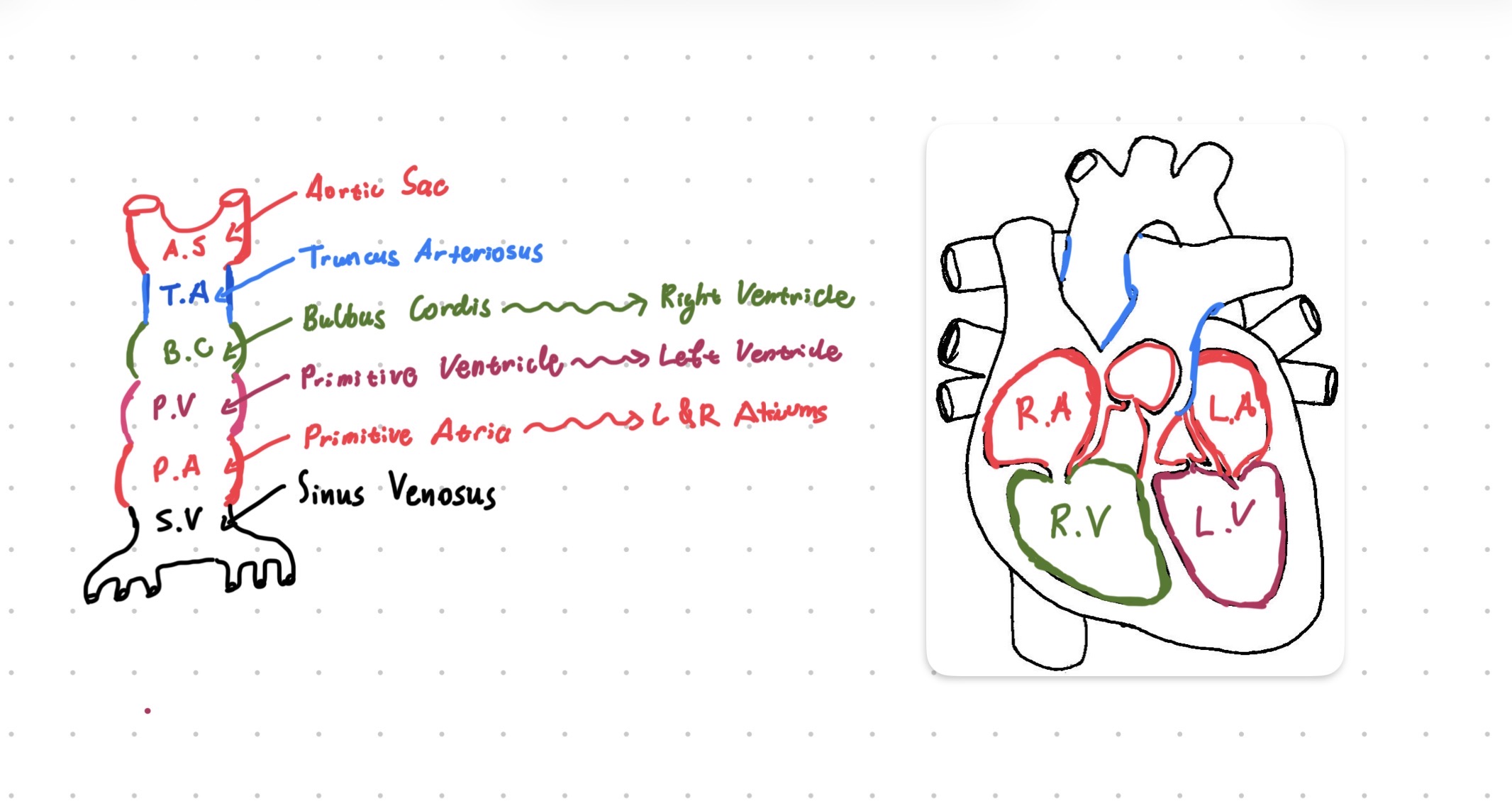

Week 3, Tube To Chambers (First Slide)

Behind the poetic image of the growing plant lies the true beginning of the human heart. Around the third week after conception, the heart forms a shape of tube made of several connected segments. Each section of this tube will later become a specific part of the mature heart.
At the inflow end lies the sinus venosus, where blood first enters the primitive heart. Above it sits the primitive atrium, which will later divide into the right and left atria. The primitive ventricle forms the future left ventricle, while the bulbus cordis develops into most of the right ventricle. Above these regions, the truncus arteriosus and aortic sac will eventually become the great arteries that carry blood away from the heart.As this simple tube bends and loops, these segments shift into their final positions, forming the familiar shape of the human heart.


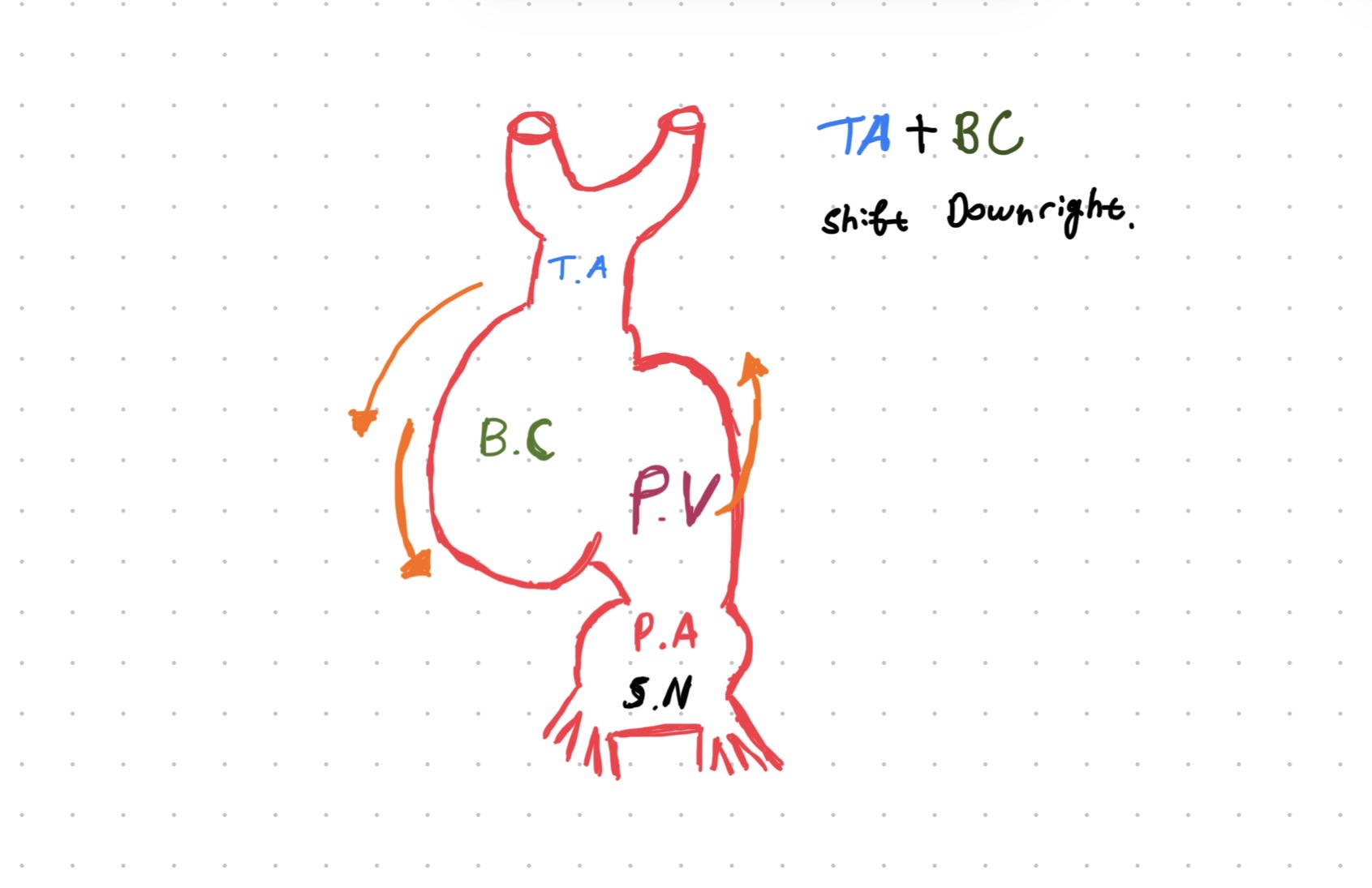
Week 4, The Cardiac Looping (Second Slide)


As the primitive heart tube grows longer, it can no longer remain straight. Around the fourth week, the tube begins to bend and fold into itself in a process called cardiac looping.The upper portion of the tube — the truncus arteriosus and bulbus cordis — gradually shifts downward and toward the right side. At the same time, the primitive ventricle moves forward and slightly leftward, while the primitive atrium and sinus venosus shift upward and backward.
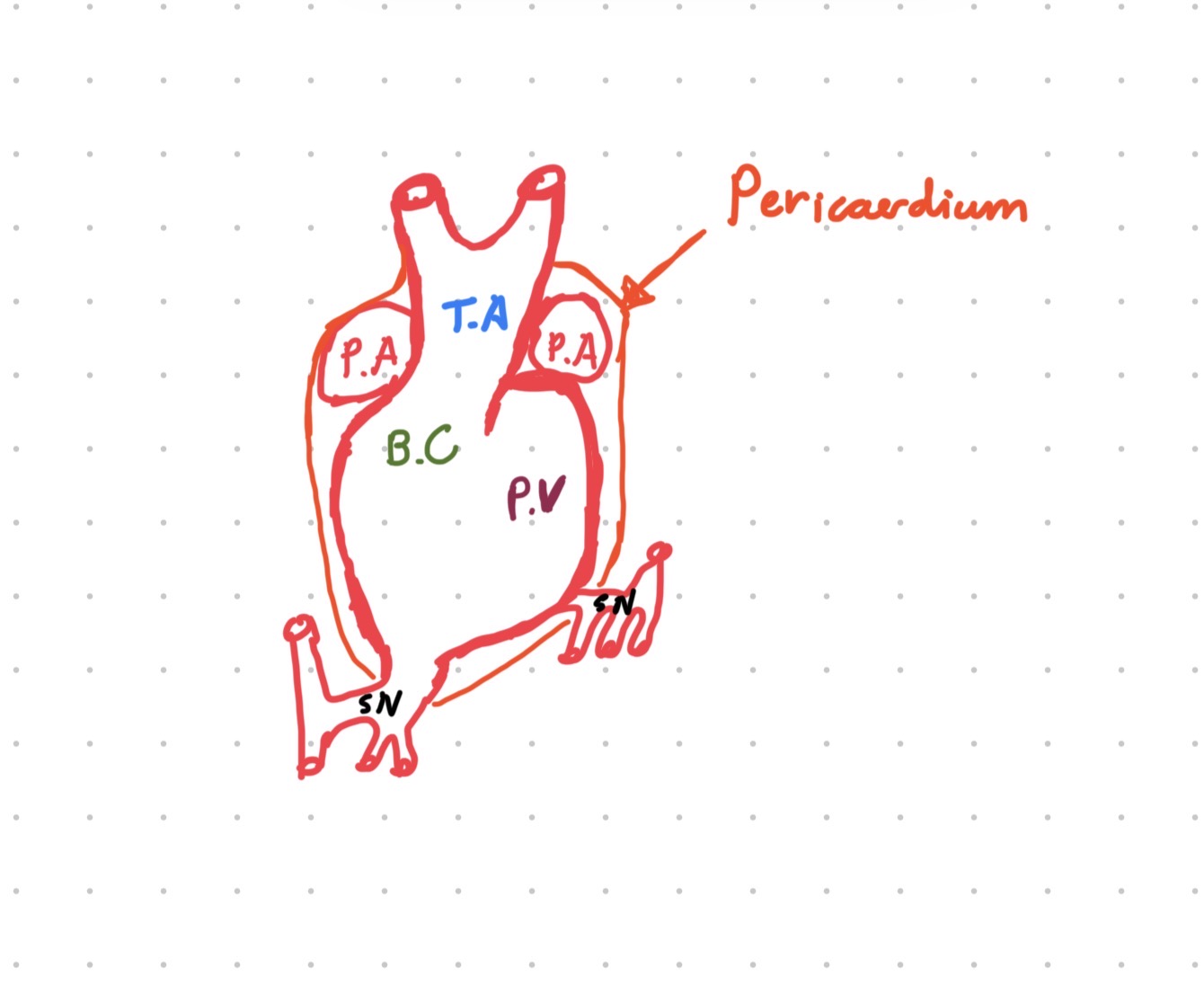
Week 6, The Heart Finds Its Shape (3rd slide)


By the sixth week, the looping heart has settled into its basic form. The chambers are now positioned in the familiar arrangement: the atria above and the ventricles below, with the right and left sides properly aligned.The bulbus cordis has become part of the right ventricle, while the primitive ventricle develops into the left ventricle. The primitive atrium expands into the future right and left atria, and the outflow tract begins to separate into the pathways that will carry blood to the lungs and to the body.Although the walls between the chambers are still forming, the heart has already established the architecture it will keep for the rest of life. From this point forward, the work is refinement — strengthening the walls, shaping the valves, and completing the separation of the chambers.

Heart Septation: Building the Walls of the Heart

Week 4–6

Building the Walls of the HeartBetween weeks 4 and 6, the heart begins one of its most important stages: septation, the building of walls that divide the heart into right and left sides. Earlier, the heart was just a looping tube. Now, new tissues grow inside it to form the four chambers we recognize after birth.These walls are necessary because after birth the heart must separate oxygen-rich blood from oxygen-poor blood. If the walls do not form properly during this period, a baby may be born with a hole in the heart (septal defect) that may require treatment or surgery later in life.For this reason, the early weeks of pregnancy are very important. The mother's health, nutrition, and environment can influence how the heart develops.Septum Primum — The First WallAround


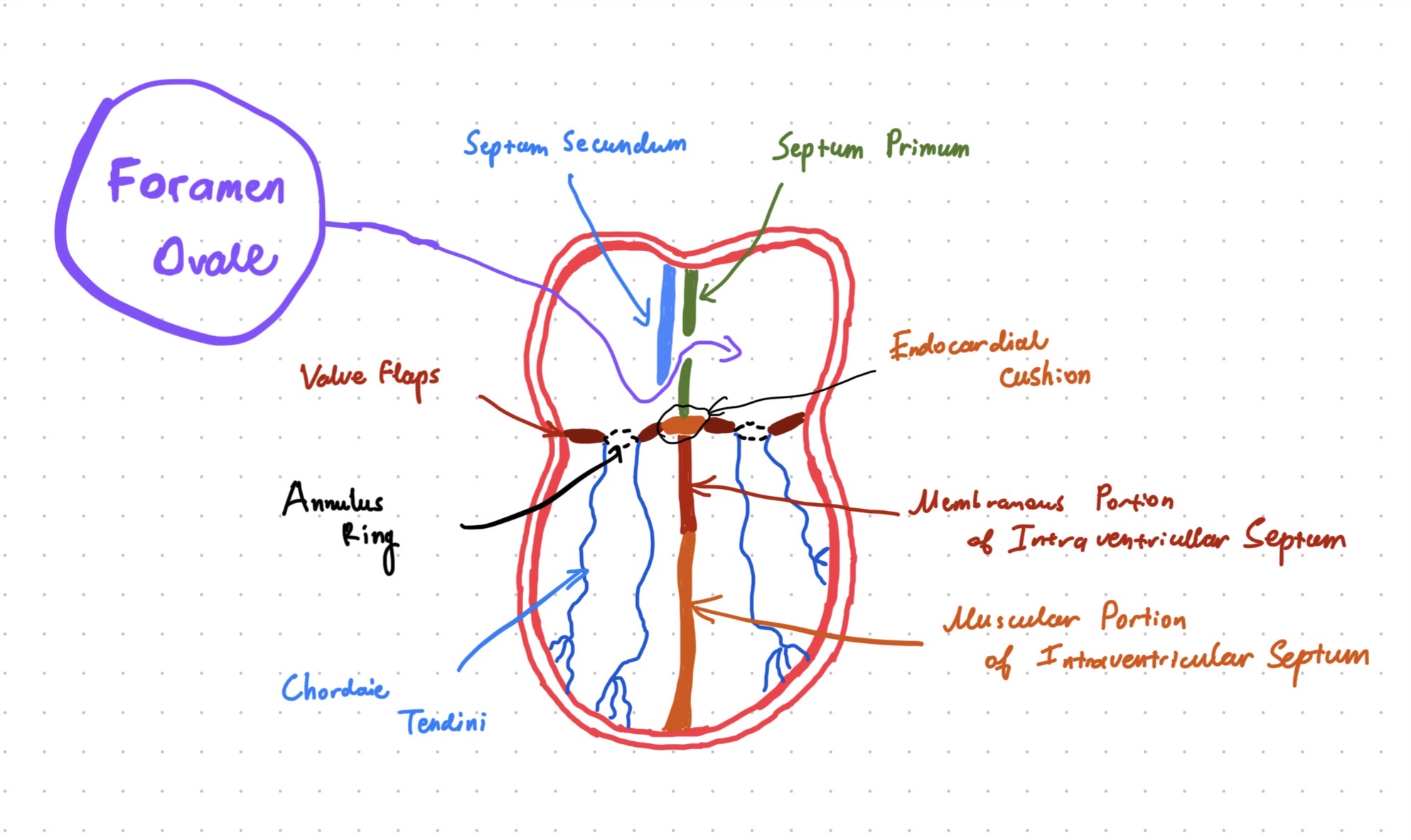
the first thin wall called the septum primum begins to grow downward from the top of the atrium toward a central structure called the endocardial cushion.The septum primum does not completely close the space. This opening allows blood to continue flowing inside the developing heart while the walls are still forming Septum Secundum and the Foramen Ovale

Next, a second and thicker wall called the septum secundum begins to form beside the septum primum. This second wall also does not fully close, leaving another opening called the foramen ovale, shown in the diagram.The foramen ovale is normal and necessary before birth. While a baby is still in the womb: The lungs are not yet working Oxygen comes from the mother through the placenta Blood does not need to go to the lungs yetBecause of this, blood flows directly from the right atrium to the left atrium through the foramen ovale, bypassing the lungs.After birth, when the baby takes its first breath, the lungs expand and blood begins to flow through them. Pressure in the left atrium becomes higher than in the right atrium, pushing the septum primum against the septum secundum. This normally closes the foramen ovale, sealing the wall between the atria.

Valves Begin to Form At the same time, the endocardial cushions help form important heart structures:

Valve flaps — allow blood to flow one direction

Annulus rings — support the valves

Chordae tendineae — string-like fibers that anchor the valvesThese structures ensure that blood flows smoothly once the heart is fully developed.Dividing the Ventricles Meanwhile, a thick wall called the interventricular septum grows upward from the bottom of the heart. This wall gradually separates the primitive ventricle into the right and left ventricles.

At first there is still a small opening called the interventricular foramen, but later this opening closes when the membranous portion of the septum forms.